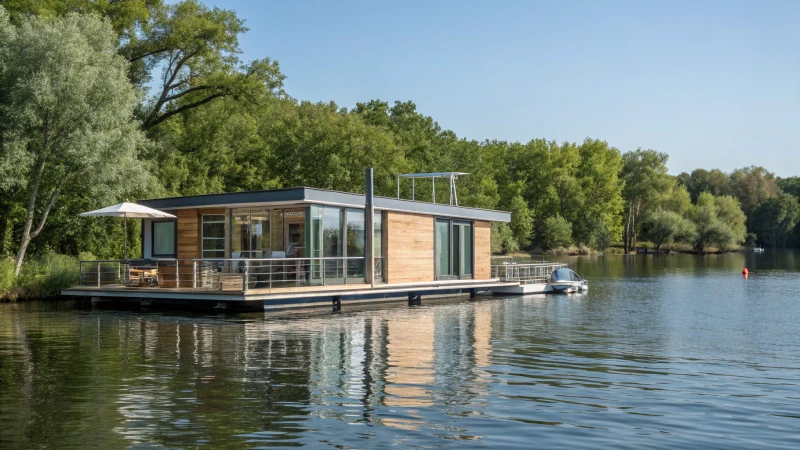
Ever dreamed of waking up to the gentle sway of waves beneath your home?
Floating homes range from $100,000 for the basics to over $1 million for luxury models. Key factors like location, design, size, and materials influence the price, alongside marina fees and maintenance. Consider these aspects to budget effectively for your floating home dream.
When I first started exploring the idea of floating homes, I was captivated by the novelty and tranquility they promised. But, like any big decision, understanding the financial implications was key. While the initial price tag gives a sense of direction, diving deeper into what really drives these costs can be enlightening. Location is a major player; a home in a bustling coastal city will naturally cost more than one tucked away in a serene lake. Then there's the allure of modern amenities versus the charm of simplicity—each comes with its own price tag. And let's not forget about those sneaky hidden costs, like marina fees or increased maintenance due to constant exposure to water. It's these insights that can transform your dream of living on water into a practical reality.
Floating homes can cost over $1 million.True
Luxury floating homes can exceed $1 million based on design and location.
Marina fees are optional for floating home owners.False
Marina fees are typically mandatory as they cover docking and services.
What Factors Influence the Cost of Floating Homes?
Ever dreamt of living on water? Let's explore what makes floating homes special and what really influences their cost.
The cost of floating homes depends on factors like location, size, design, and materials. Other elements, such as marina fees, maintenance, and amenities, also significantly impact the price.

Location Matters
When I first started exploring the idea of floating homes, the allure of different locations fascinated me. Think about it—waking up to the gentle sway of waves in a bustling coastal city1 or a tranquil lake. These dreamy spots, however, come at a price. Homes in top-tier waterfront locations or tourist magnets are usually more expensive due to the high demand for those picture-perfect views.
| Location Type | Price Range |
|---|---|
| Coastal City | High |
| Popular Tourist Spots | High |
| Less Developed Areas | Lower |
Size and Design Considerations
The size and design of a floating home have always been crucial in shaping its cost. During my research, I realized that a cozy one-bedroom might be perfect for someone who loves simplicity, but those craving space will pay more for extra rooms or luxurious touches. Custom designs tailored to personal preferences can also hike up the cost. Once, I dreamed of a luxury floating home2 with bespoke finishes—imagine the freedom of designing your own space on water!
Construction Materials
I’ve learned that the choice of materials makes a big difference. Using eco-friendly or sustainable materials might seem pricier initially, but they offer savings over time due to reduced maintenance needs. Some folks I know have opted for sustainable options3, reflecting their commitment to environmental stewardship.
Additional Costs to Consider
- Marina Fees: The reality of living on water includes fees for docking and utilities that range from $500 to $2,000 monthly, varying by marina location and amenities.
- Maintenance: My conversations with floating home owners revealed that regular upkeep is vital due to constant water exposure. Maintenance costs can accumulate from caring for the hull and other components.
- Amenities: Adding features like advanced security systems, solar panels, or state-of-the-art kitchens can inflate costs. I always consider which amenities4 align with my lifestyle needs.
Understanding these factors has helped me—and can help you—make smart decisions when investing in a floating home. Each aspect, from location to amenities, shapes the overall value and appeal of these unique dwellings. It's all about finding the right balance between cost and your dream features.
Floating homes in coastal cities are cheaper.False
Floating homes in coastal cities are generally more expensive due to demand.
Sustainable materials can reduce long-term maintenance costs.True
Eco-friendly materials may cost more initially but offer savings over time.
How Do Floating Homes Compare to Traditional Houses in Terms of Cost?
Ever wondered if life on the water is as dreamy as it sounds? Let's dive into the real costs of floating homes compared to traditional houses.
Floating homes often come with lower initial price tags than traditional houses, ranging from $100,000 to $1 million. However, ongoing expenses like marina fees and maintenance can add up, making the overall cost competitive over time.

Initial Purchase Price
I still remember the first time I considered swapping my city apartment for a floating home5. The idea of waking up to the gentle sway of water was intoxicating. Floating homes typically range from $100,000 to $1 million, depending on their size, location, and amenities. In comparison, traditional houses often have higher starting prices due to land costs.
| Home Type | Price Range |
|---|---|
| Basic Floating | $100,000 - $300,000 |
| Mid-Range Floating | $300,000 - $600,000 |
| Luxury Floating | $1 million+ |
| Traditional | Varies by location |
Location and Associated Costs
Location plays a crucial role in both floating and traditional home costs. Prime waterfront spots can significantly hike up the prices of floating homes, much like land values do for traditional houses. When I first explored this lifestyle, I learned that floating homes also come with marina fees ranging from $500 to $2,000 monthly, while traditional homes usually involve property taxes.
Maintenance Expenses
Maintenance is a big deal when you're living on water. I quickly realized that floating homes require more upkeep due to their unique environmental conditions. Regular maintenance of the hull and floating platform can lead to higher costs compared to the standard wear and tear faced by traditional homes.
Additional Financial Considerations
Beyond the direct costs, floating homes might offer savings on utilities6 due to their smaller sizes and eco-friendly technologies. But it's important to budget for potential fees related to mooring and regulatory compliance.
| Expense Type | Floating Homes | Traditional Houses |
|---|---|---|
| Marina Fees | $500 - $2,000/month | N/A |
| Property Taxes | N/A | Varies by location |
| Maintenance | Higher due to water exposure | Standard upkeep |
Understanding these various elements can help you decide whether a floating home or a traditional house aligns better with your financial and lifestyle goals. Explore eco-friendly options7 that might reduce long-term costs and boost sustainability.
Floating homes have lower initial costs than traditional houses.True
Floating homes start from $100,000, often lower than traditional houses due to land costs.
Marina fees for floating homes are less than property taxes.False
Marina fees range $500-$2,000 monthly, while property taxes vary but aren't necessarily higher.
What Are the Maintenance Costs Associated with Floating Homes?
Ever dreamed of waking up to the gentle sway of water beneath you? Floating homes might just be the dreamy escape you’re looking for, but what’s the real cost of maintaining this unique lifestyle?
Floating homes come with maintenance costs that include structural upkeep, marina fees, utilities, and insurance. These costs fluctuate depending on location, home size, and construction materials.
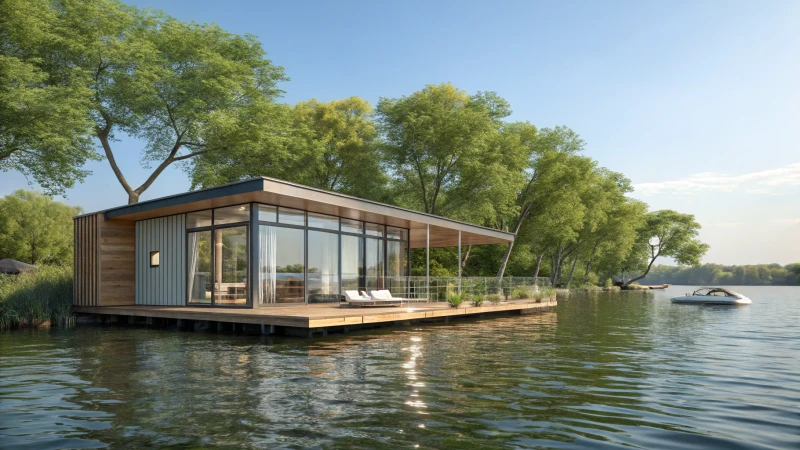
Regular Maintenance and Repairs
Living in a floating home has its magic, but like any dream, it needs care to keep it from turning into a nightmare. I remember my first year living on water; every creak and ripple was a reminder of the maintenance involved. Regular inspections are crucial, especially for the floating foundation. Imagine waking up one morning to find your home a few inches lower because of an unnoticed issue—it's every floating homeowner's nightmare!
- Foundation Inspections: These are your lifeline. Ensuring stability means peace of mind.
- Plumbing & Electrical: My first winter, the pipes froze—a rookie mistake! Constant vigilance is key due to the unique water-based setup.
- Exterior Care: Mother Nature can be tough. Weatherproofing isn't just an option; it's a necessity to prevent costly repairs.
Marina Fees and Utilities
Marina life comes with its own set of expenses. I learned quickly that these fees can vary as much as the tides. From docking to utilities, it all adds up, but think of it as rent for the most exclusive neighborhood—waterfront!
| Item | Cost Range |
|---|---|
| Marina Fees | $500 - $2,000/month |
| Utilities | Varies by usage |
Insurance Costs
I once thought insurance was just another bill, but after a stormy night, I realized it’s your safety net. Floating homes need unique coverage similar to boats or RVs because, well, they float!
- Flood Insurance: It’s not just a suggestion; in many areas, it’s non-negotiable.
- Liability Coverage: Covers you if your home causes damage or an accident—peace of mind worth every penny.
Seasonal Considerations
Seasons change, and so do maintenance needs. Winterizing your home is crucial—think of it as giving your home a cozy blanket against freezing pipes and structural damage. The first frost taught me that lesson well!
Cost-Saving Tips
I've found that investing in durable, weather-resistant materials can save you a fortune down the line. And those eco-friendly technologies? They’re not just good for the planet—they’re great for your wallet too. Check out these eco-friendly solutions8 for more ways to save.
Owning a floating home is a lifestyle choice filled with wonder and challenges. The maintenance costs are part of the package deal with this dreamy lifestyle. But with smart planning and budgeting, you can enjoy the tranquility of waterfront living without sinking into unexpected costs.
Floating homes require regular foundation inspections.True
Foundation checks ensure stability and prevent potential water damage.
Marina fees for floating homes are fixed at $1,000/month.False
Marina fees vary widely, ranging from $500 to $2,000 monthly.
Where Can You Find Affordable Floating Homes for Sale?
Have you ever dreamed of waking up to the gentle sway of water beneath you?
Affordable floating homes can often be found in areas with lower demand, like smaller lakes or rivers. Websites such as Zillow and Realtor.com offer listings that include these unique homes, with prices varying based on location, size, and amenities.
Exploring Geographic Options
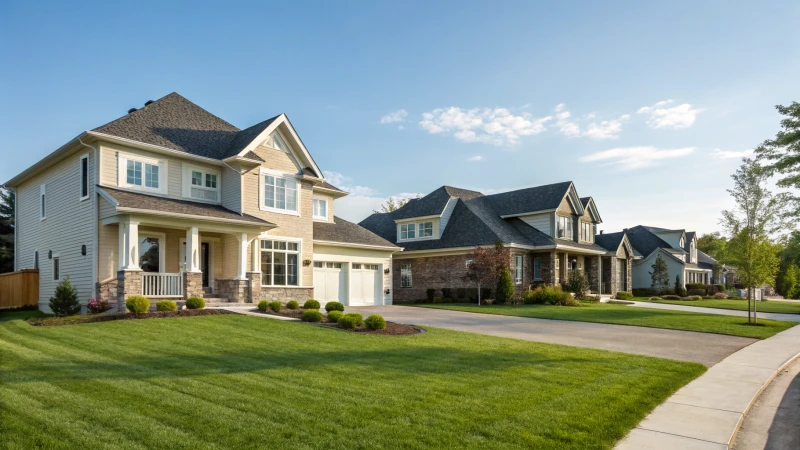
When I first started looking into floating homes, I realized that location9 is everything. While the Pacific Northwest, especially around Seattle, is a popular spot, the costs there can skyrocket. I began exploring lesser-known gems—smaller lakes and rivers where the demand isn't as high. These places often have emerging floating home communities that are much more budget-friendly. Imagine finding a quaint little spot that not only fits your budget but also offers a peaceful retreat from the bustling city life.
Platforms for Listings
I remember spending countless hours on platforms like Zillow10 and Realtor.com, diving into listings and using price filters to hunt down the perfect floating home within my budget. It’s amazing how these platforms cater to niche markets, providing a variety of options for every wallet size. Each search felt like uncovering a hidden treasure map to my future home.
Direct from Owners
One of the most exciting parts was reaching out directly to owners11 through local classifieds and specialized websites. This approach not only opened up opportunities for better deals but also allowed me to negotiate terms that suited my needs perfectly. It's like having a one-on-one conversation with someone who’s just as excited about their floating home as you are about buying it.
Considerations for Affordability
- Location: Choosing less popular areas can be a game-changer when it comes to competitive pricing.
- Size & Amenities: I found that opting for smaller homes with basic amenities made a huge difference in cost.
- Community Fees: It’s important to factor in marina or community fees, which can vary quite a bit.
| Feature | Consideration |
|---|---|
| Location | Opt for emerging areas |
| Size | Smaller homes cost less |
| Fees | Check marina fees |
Financing Options
Navigating the financing world for floating homes was an adventure in itself. They often require unique solutions like marine mortgages12. Some sellers even offered financing directly, which was an unexpected boon. It’s all about exploring every nook and cranny to find the most cost-effective solution for your purchase.
Floating homes in Seattle are generally affordable.False
Seattle is a popular area for floating homes, making them costly.
Purchasing directly from owners can yield better deals.True
Direct purchases may allow for negotiation on price and terms.
Conclusion
Floating homes cost between $100,000 and over $1 million, influenced by location, size, design, and additional expenses like marina fees and maintenance.
-
Explore how coastal cities affect floating home prices due to demand and scenic locations. ↩
-
Learn about custom designs and their impact on luxury floating home prices. ↩
-
Discover sustainable materials that offer long-term savings for floating homes. ↩
-
Find out which amenities are crucial for enhancing your floating home experience. ↩
-
Explore the concept of floating homes and understand their unique features and benefits. ↩
-
Learn about how floating homes can potentially reduce utility costs through sustainable designs. ↩
-
Discover sustainable features that can make floating homes more cost-effective over time. ↩
-
Explore this link to learn about sustainable materials and technologies that can reduce long-term maintenance costs for floating homes. ↩
-
Discovering emerging areas with new floating home communities can lead to finding more affordable options. ↩
-
Zillow offers a variety of listings with filtering options to help find affordable floating homes. ↩
-
Buying directly from owners may allow for better pricing and negotiation terms. ↩
-
Understanding unique financing solutions can help in securing an affordable floating home. ↩